
Regulatory Effects on Live Dealer Integration With Mobile Sports Wagering and Poker Rakeback Programs Across Jurisdictions
Regulatory frameworks shape how operators combine live dealer tables with mobile sports wagering platforms while managing poker rakeback incentives in different markets, and these rules often require separate licensing streams for each component before full integration becomes possible. Jurisdictions impose technical standards on data flows between live video streams, betting ledgers, and rake calculations to maintain audit trails and prevent unauthorized cross-promotion.
US State-Level Approaches
States like New Jersey and Pennsylvania maintain distinct approval processes for live dealer feeds that operators must align with mobile sports betting systems, whereas poker rakeback programs face additional scrutiny under responsible gaming mandates that limit promotional structures. Data from the New Jersey Division of Gaming Enforcement shows that integrated platforms underwent expanded compliance reviews in 2025, focusing on real-time verification of player locations and wager limits when live tables link to sports markets. Michigan and other expanding states followed similar patterns, requiring operators to demonstrate firewall separations between live dealer RNG certification and sports event odds feeds before rakeback calculations can apply across verticals.
European and International Variations
European regulators in Malta and Sweden apply unified licensing that covers live dealer operations alongside mobile sports products, yet they impose stricter caps on rakeback percentages when these elements combine under a single player account. Operators must submit integration protocols that track bonus wagering contributions from live table play separately from sports bets to satisfy anti-money laundering directives. Australian authorities through the Australian Communications and Media Authority enforce similar segmentation rules, while Ontario's Alcohol and Gaming Commission of Ontario requires independent audits of mobile systems that bundle live dealer poker with sports wagering features.
By September 2026 several jurisdictions had introduced updated reporting requirements for cross-product data sharing, forcing platforms to log every transition between live dealer sessions and mobile sports bets within seconds of each action. These changes aim to close gaps where rakeback calculations might inadvertently reward sports wagering activity through live dealer incentives.
Technical and Compliance Challenges
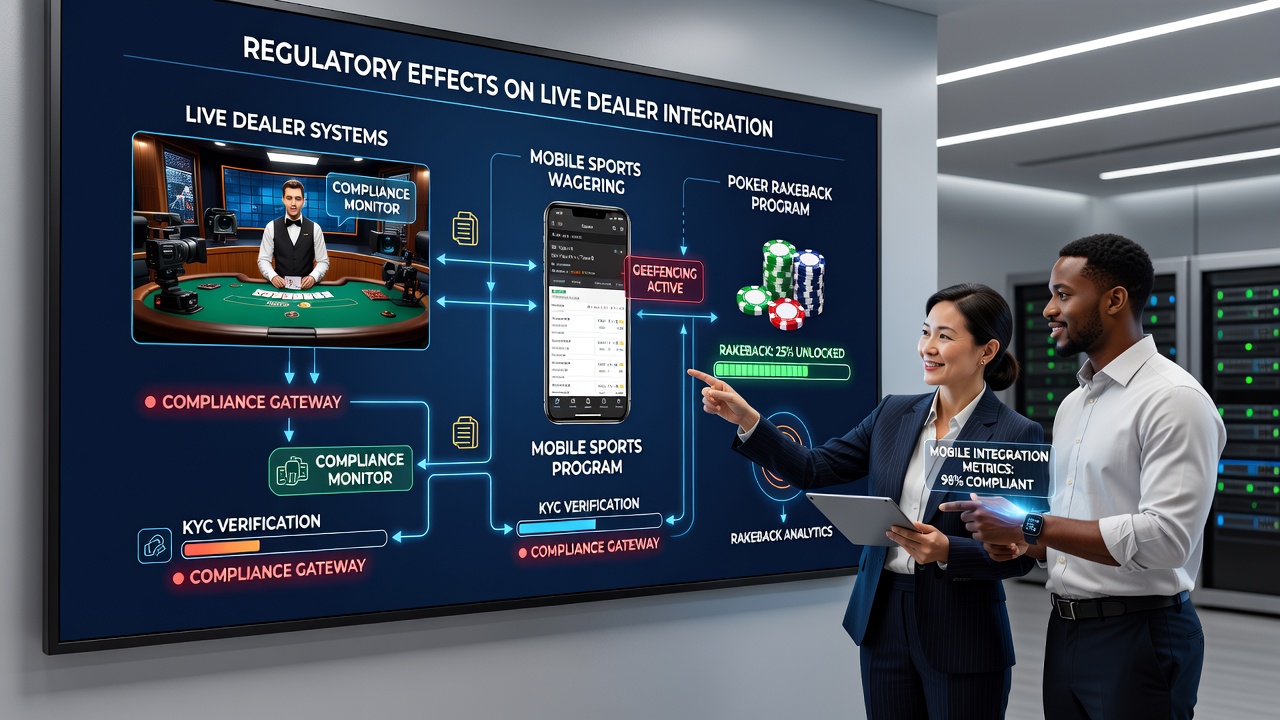
Integration demands create practical hurdles because live dealer streams require low-latency video delivery that sports wagering apps must accommodate without compromising geofencing accuracy or payment processing timelines. Rakeback programs add another layer since regulators often classify them as loyalty mechanisms subject to contribution caps that differ when live table results feed into overall player value calculations. Observers note that platforms attempting unified mobile experiences frequently encounter delays during certification because each jurisdiction reviews the combined system rather than approving components separately.
Industry Data and Reporting Trends
Industry reports indicate that operators in multi-jurisdictional environments allocate significant resources to maintain parallel compliance teams, with one study from the European Gaming and Betting Association highlighting how rakeback structures tied to live dealer volume must undergo quarterly reviews in several markets. Those who've examined licensing applications across borders find that successful integrations typically begin with modular architecture allowing individual product lines to meet local rules before full linkage occurs. Research from academic sources on gambling technology adoption shows gradual convergence in technical standards, although full harmonization remains distant.
Conclusion
Regulatory effects continue to evolve as more jurisdictions refine rules around live dealer integration with mobile sports wagering and poker rakeback programs, and operators must monitor updates from bodies like the Alcohol and Gaming Commission of Ontario alongside European counterparts to maintain compliant operations. The landscape requires ongoing technical adjustments and documentation to keep pace with these layered requirements.